
How do escape rooms work when you have never tried one before? If you have ever walked past a mysterious locked door and asked yourself how it works, you are not alone.
At first, the idea can feel confusing. You are placed inside a themed room. The door closes. A timer starts. Then what happens next? For many first timers, the unknown is the scariest part. However, once you understand how escape rooms work, the nerves quickly turn into excitement.
Escape rooms are live adventure games. You and your team solve puzzles, uncover clues, and complete a mission before time runs out. Most games last about 60 minutes. During that time, teamwork matters more than anything else. While the rooms look immersive and dramatic, they are safe, monitored, and designed for fun.
So let’s break it down step by step. By the end of this guide, you will fully understand how do escape rooms work, what to expect, and how to prepare for your first game.
The Basic Concept Behind Escape Games
To understand how escape rooms work, you first need to know the goal. Every escape game has a story. You are not just solving random puzzles. Instead, you are part of a mission.
Sometimes you are detectives solving a crime. Other times, you may be explorers on a magical quest. The story drives everything. Because of that, each puzzle connects to the theme.
You enter a detailed room filled with props, locked boxes, hidden compartments, and visual clues. The clock begins counting down from 60 minutes. From there, your team searches carefully. You find clues, connect patterns, and unlock new challenges.
Importantly, you do not need special knowledge. You do not need to be good at math. You also do not need to be a genius. Instead, success depends on communication and observation. That is how escape rooms work in the simplest form.
If you want to see a deeper explanation of the history and format of escape games, you can explore this escape room overview which explains how the concept grew around the world.
What Happens When You Arrive
Now that you know the concept, let’s walk through the experience from start to finish so you truly understand how do escape rooms work in real life.
First, you check in at the venue. At places like Eludesions Escape Rooms, the staff welcomes you and explains the rules. You sign a waiver, and then a game master gives a short briefing.
The game master is important. They monitor your progress during the game. If you get stuck, they provide hints. Therefore, you are never left alone or unsafe.
After the briefing, your team enters the room. The door closes. The timer begins. At that moment, the adventure starts.
Although it may feel intense at first, remember that you can exit if needed. Safety always comes first. Cameras are installed so staff can assist at any time. That reassurance helps many first timers relax quickly.
How the Puzzles Actually Work
Many beginners worry about difficulty. They wonder if the puzzles will be impossible. However, understanding how escape rooms work helps remove that fear.
The puzzles follow logic. They may involve matching symbols, solving riddles, arranging objects, decoding messages, or finding hidden keys. Each solved puzzle leads to another clue. Eventually, everything connects.
For example, a locked box may require a four-digit code. That code might come from a painting on the wall. Meanwhile, the painting could hide a clue that only appears under a special light. Step by step, you uncover layers of the story.
Importantly, rooms are not about tricking you unfairly. Instead, they are about guiding you through discovery. Because of that design, learning how escape rooms work becomes part of the fun.
Popular Room Themes at Eludesions
Now that you understand how do escape rooms work, let’s explore some immersive experiences that show this in action.
Mad Hatter’s Tea Party
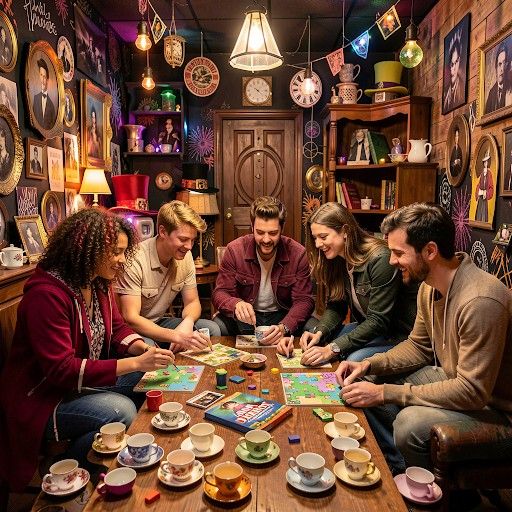
Mad Hatter’s Tea Party pulls you straight into a whimsical Wonderland. The setting feels colorful yet slightly chaotic. Strange riddles hide within teacups, clocks, and playful decor. As the story unfolds, you realize nothing is random.
The puzzles match the theme perfectly. You may need to solve time-based challenges or interpret playful word games. Because of the immersive design, you feel like you stepped inside a fantasy story. While it feels magical, the structure clearly shows how escape rooms work through progressive puzzle layers.
Escape from Oz
Escape from Oz transports you into a world inspired by a famous yellow brick road adventure. However, something has gone wrong. The land is not as safe as it seems. Therefore, your team must restore balance before time runs out.
Expect cinematic sets, glowing props, and clever multi-step puzzles. Each clue feels like part of a larger quest. As you solve challenges, new spaces may reveal themselves. This layered design highlights how escape rooms work through storytelling and discovery.
Runestone
Runestone offers a darker, more mysterious tone. The theme centers around ancient secrets and mystical energy. From the moment you enter, the atmosphere feels intense.
Here, logic and teamwork matter deeply. Symbols must be interpreted carefully. Patterns must be recognized. Because the theme feels immersive and serious, the experience becomes gripping. At the same time, the structure clearly demonstrates how escape rooms work through connected puzzle chains.
Case File X
Case File X places you inside a crime investigation. You are the detectives. Evidence surrounds you. The tension builds as you uncover hidden details.
You search through files, analyze clues, and piece together events. Each solved element unlocks deeper layers of the case. The storyline pulls you forward, which makes the 60 minutes feel fast. This investigative style makes it easy to understand how escape rooms work when narrative and logic blend together.
The Painter’s Collection
The Painter’s Collection feels artistic yet mysterious. At first, it appears like a quiet gallery. However, hidden secrets lie beneath the surface.
Clues hide inside frames, brush strokes, and symbolic imagery. As you progress, the room transforms from calm to thrilling. Because of the layered storytelling, you experience firsthand how escape rooms work through creative design.
The Path to Enlightenment
The Path to Enlightenment offers a spiritual and thoughtful journey. The setting feels calm, yet puzzles challenge your perception. Symbols and philosophy guide the experience.
Instead of rushing, you think deeply. You observe carefully. Therefore, teamwork becomes essential. The balance of serenity and complexity shows another side of how escape rooms work.
Operation Counterpart
Operation Counterpart shifts the tone toward espionage. The mission feels urgent. Technology and covert themes dominate the space.
Expect hidden devices, coded messages, and dramatic reveals. The fast-paced design keeps adrenaline high. Yet the logical flow still shows clearly how escape rooms work through structured puzzle progression.
The Land of Unfit Toys
The Land of Unfit Toys appears playful at first glance. However, the storyline hides emotional depth and surprising twists. Toys hold secrets. Memories connect clues.
Because of its nostalgic feel, this room mixes fun and suspense. As puzzles unfold, you realize the deeper meaning behind each challenge. It is a powerful example of how escape rooms work when storytelling drives every element.
Teamwork Makes the Difference
Understanding how to escape rooms work also means understanding teamwork. No one escapes alone. Even if one person solves many puzzles, success depends on group communication.
Some players are good at spotting details. Others excel at patterns. Meanwhile, some thrive under pressure. When these skills combine, the room flows smoothly.
Therefore, talking out loud helps. Sharing discoveries prevents missed clues. Because time moves quickly, teamwork often determines success more than intelligence.
Are Escape Rooms Scary?
Many first timers ask this question. The answer depends on the theme. Some rooms feel mysterious. Others feel playful. However, they are not haunted houses.
Even suspenseful rooms focus more on puzzles than fear. You are never locked in without supervision. Staff monitors the entire experience. So while the story may create tension, safety always remains a priority.
What If You Do Not Escape?
Another common worry appears when people ask how do escape rooms work. They wonder what happens if time runs out.
If you do not finish, the game master usually walks you through the remaining puzzles. You still see the ending. Therefore, the experience feels complete.
Interestingly, many players return to try again. The challenge becomes part of the appeal. After all, escape games are about the journey, not just the outcome.
Booking Your First Game
Now that you understand how do escape rooms work, booking feels less intimidating. Most venues allow online reservations. You choose a theme, select a time slot, and confirm your group size.
Additionally, many locations offer birthday parties and corporate team building options. Escape rooms work well for bonding because they encourage communication and problem solving in a fun setting.
Before booking, consider group size. Larger teams bring more ideas, but smaller teams move faster. Either way, the experience adapts.
Final Thoughts
By now, you should feel confident about how do escape rooms work and what to expect. Escape games combine story, logic, teamwork, and excitement into one immersive hour. While the concept may seem mysterious at first, the structure is clear once you step inside.
So if you have been curious but hesitant, now is the perfect time to try. Visit our website to explore themes, read the FAQs for more details, or contact us with any questions. Then gather your team and book a room today. Your first adventure is waiting behind that door.